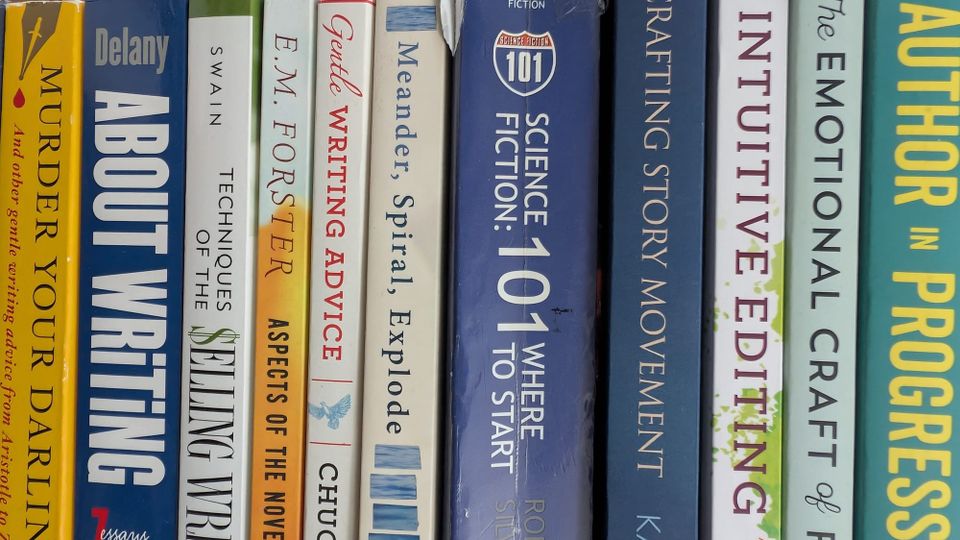
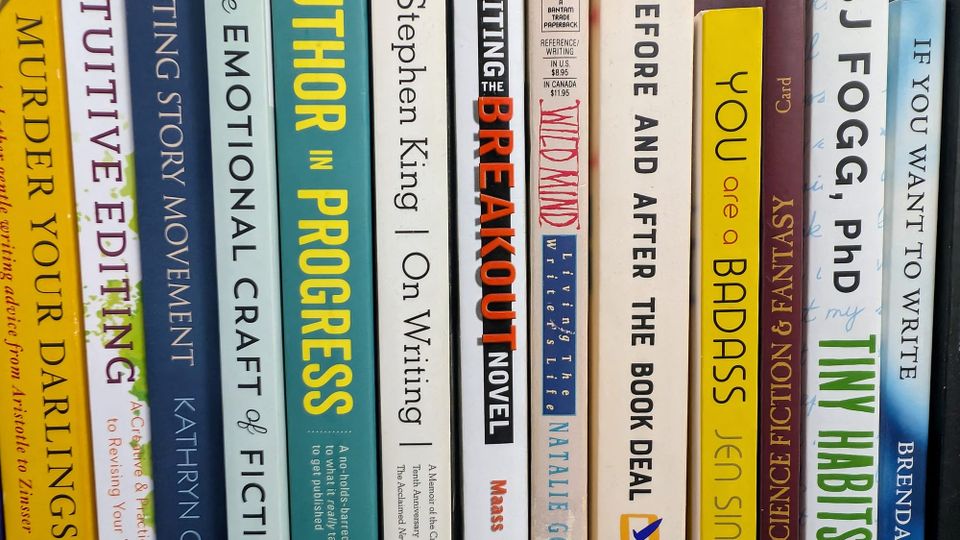
Books for Nonfiction Writers
Books to help you write clearly and confidently in academic and other nonfiction settings.
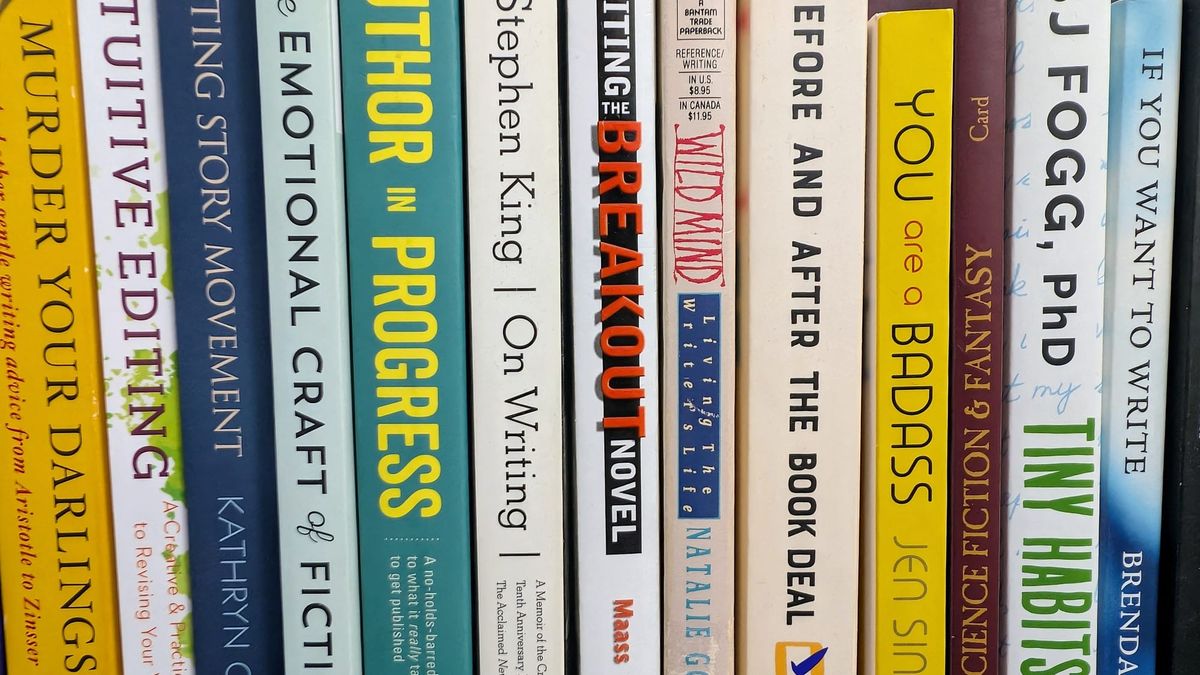
If you are anything like me, the middle of the summer brings a sense of looming dread. September is coming. Even years after I have been out of school I still feel a vauge sense of dread at the end of July that I have forgotten to do my summer homework and have only a few weeks in which to complete it.
Nonfiction writing is a huge topic, and one I feel I am lightly read in. However I do have some recommendations from my own studies I can pass on. Each of these books is excellent in its own topic and will make you think about your writing. These books also have bibliographies that will lead you to deeper reading if you find you like the topic.
List Criteria: Books on nonfiction writing.
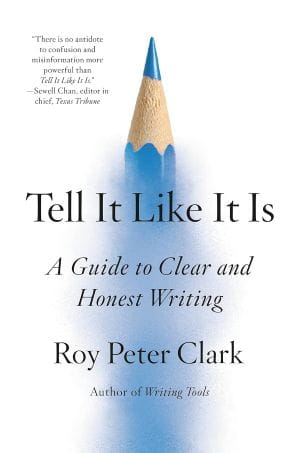
Tell it Like it Is - Roy Peter Clark
Roy Peter Clark is one of the best known journalism instructors in the United States. Several of his writing books are favorites of mine because he is warm, funny, and able to distill complex ideas into simple concepts. This book is focused on writing instruction for journalists and others writing narrative nonfiction. Full of excellent and intuitive examples which each illuminate a specific technique you can immediately put into practice in your own writing.
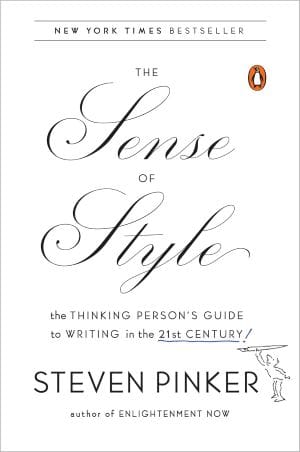
Sense of Style - Steven Pinker
This book is one I wish I had been assigned before writing my Master’s thesis, or even my undergraduate thesis. Making a strong case for clear and simple language in academic writing, this book will change all of your writing for the better. Read to learn how to avoid overly complex syntax in your writing, and share with your cohort to explain why excellent writing shouldn't sound like "academese".
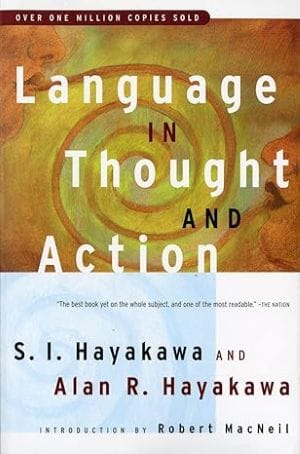
Language in Thought and Action - Hayakawa & Hayakawa
If the term “alternative facts” makes you angry, this book will give you the ammunition you need to argue against it. Originally written in the aftermath of World War Two to examine how propaganda changes people’s minds, it has been updated several times since to account for advertising and the evolution of manipulative language. Read for a breakdown of exactly how language reveals or conceals information and then use your powers for good.

How to take Smart Notes - Sönke Ahrens
If you are starting out in an academic study, or even in the middle of one, this book will change how you think about writing papers. Describing the famous Zettlekasten or “slip box” system, this book makes a strong case for turning the way you learned how to write papers on its head. Read this to learn how to learn better and to never be at a loss for a paper topic again.