Bird by Bird - Anne Lamott
A booster shot against your own anxieties, or something to wave at other writers when they are feeling down about themselves
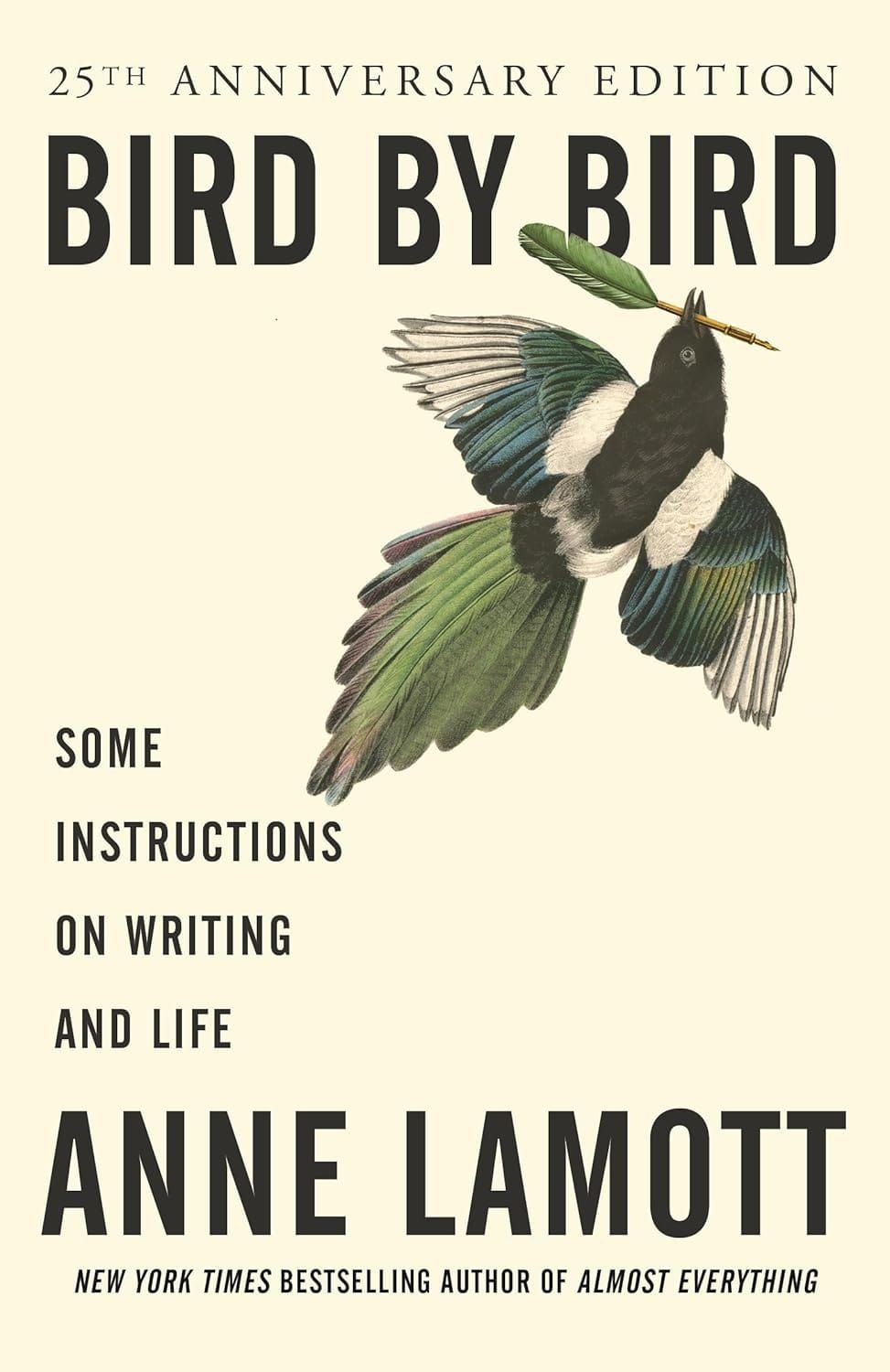
Tone - Like a quiet chat over tea with the friend you are always quoting to other people.
What - a classic writing manual with good advice on the writer’s mindset, especially good for writers with high anxiety
Who - writers just starting out need to hear the part about shitty first drafts, writers in the trenches should (re)read for the advice on not burning out.
Read it When - you need a reminder to take things one bird at a time.
% on Topic - medium to high, lots of anecdotes that wrap back into the writing advice as
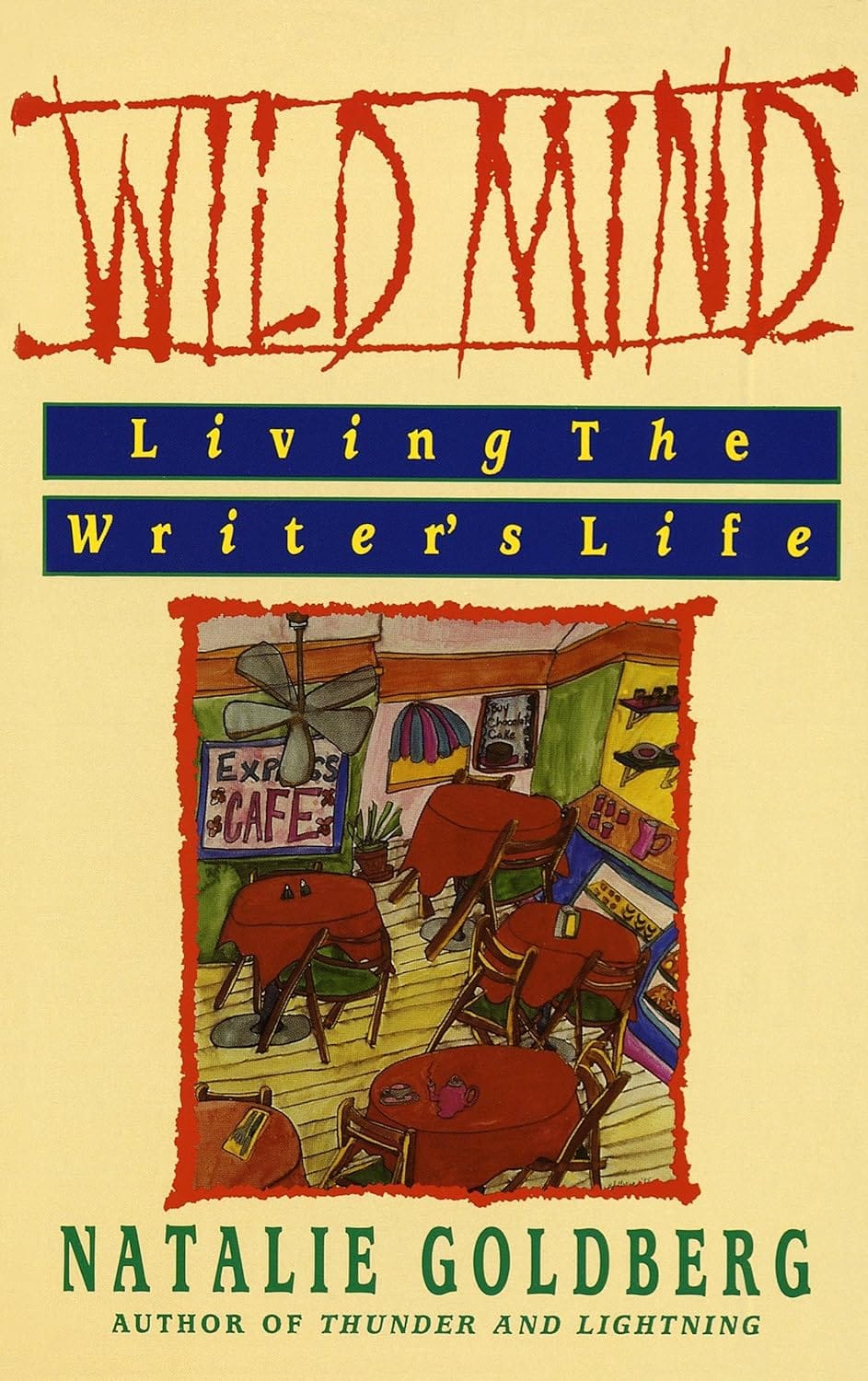
I seem to be working my way through a “classics” phase the past few weeks. I’ve read Natalie Goldberg’s Wild Mind because I couldn’t find my copy of Writing Down the Bones. I had to take a break from Gardner’s The Art of Fiction because the introduction made me want to throw it across the room. And I had a(nother) copy of Anne Lamott’s Bird By Bird thrust upon me at work last week. So I took the opportunity to reread it too.
I said in my Wild Mind review that if you’ve been in a writing class in the past 30 years or so, you’ve probably heard some version of Goldberg’s advice. The same goes for Anne Lamott. I’m fairly sure I heard the term “Shitty First Drafts” long before I had heard of her. Even if you’ve never read this book, you’ve seen a quote from it. I see more Anne Lamott writing quotes floating around the internet than just about any other writer. In fact I’m guilty of it myself. Here are a few prime examples:
“You are lucky to be one of those people who wishes to build sand castles with words, who is willing to create a place where your imagination can wander. We build this place with the sand of memories; these castles are our memories and inventiveness made tangible. So part of us believes that when the tide starts coming in, we won't really have lost anything, because actually only a symbol of it was there in the sand. Another part of us thinks we'll figure out a way to divert the ocean. This is what separates artists from ordinary people: the belief, deep in our hearts, that if we build our castles well enough, somehow the ocean won't wash them away. I think this is a wonderful kind of person to be.”
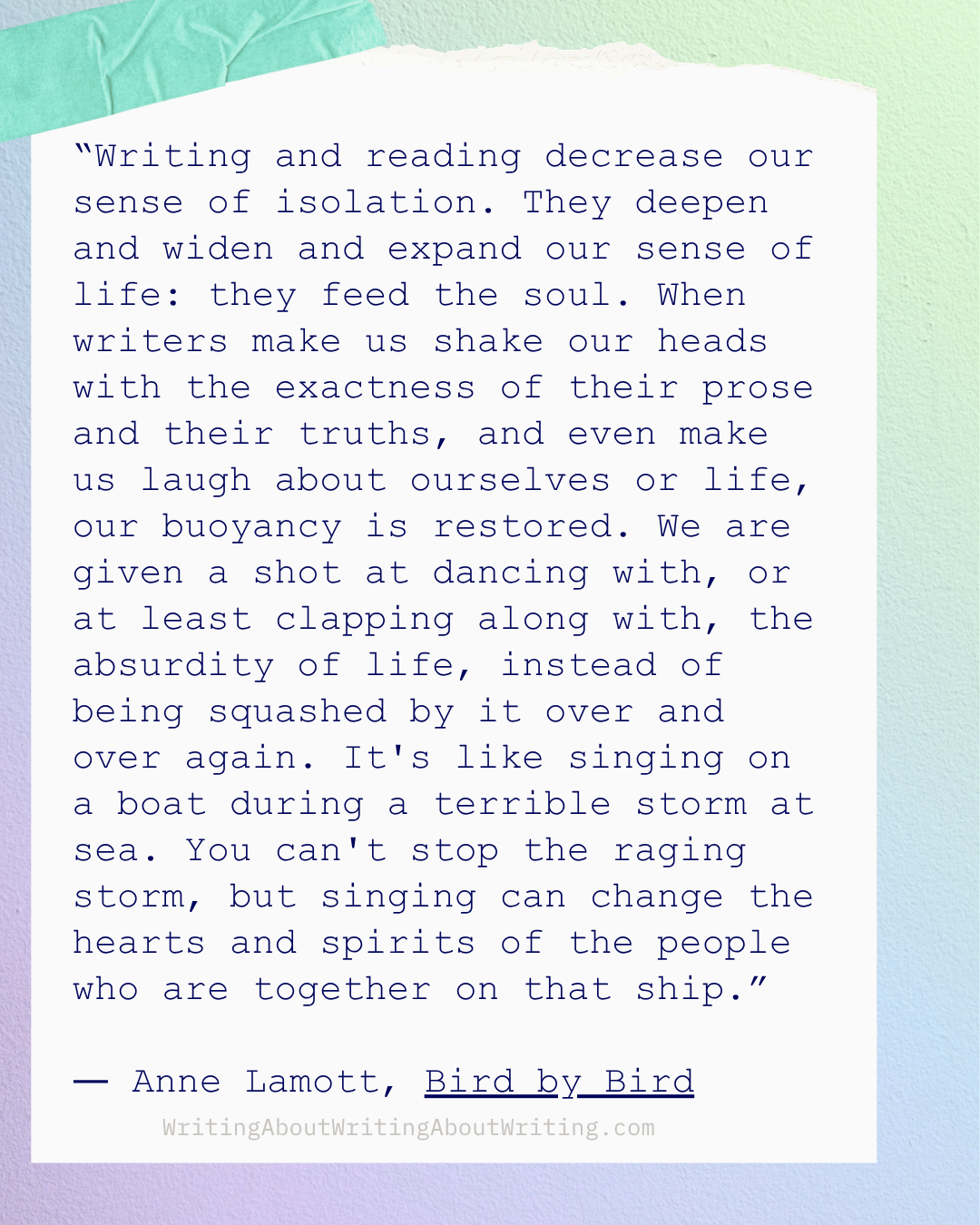
“Perfectionism is the voice of the oppressor, the enemy of the people. It will keep you cramped and insane your whole life, and it is the main obstacle between you and a shitty first draft. I think perfectionism is based on the obsessive belief that if you run carefully enough, hitting each stepping-stone just right, you won't have to die. The truth is that you will die anyway and that a lot of people who aren't even looking at their feet are going to do a whole lot better than you, and have a lot more fun while they're doing it.”
“I heard a preacher say recently that hope is a revolutionary patience; let me add that so is being a writer. Hope begins in the dark, the stubborn hope that if you just show up and try to do the right thing, the dawn will come. You wait and watch and work: you don't give up.”
“I still encourage anyone who feels at all compelled to write to do so. I just try to warn people who hope to get published that publication is not all it's cracked up to be. But writing is. Writing has so much to give, so much to teach, so many surprises. That thing you had to force yourself to do—the actual act of writing—turns out to be the best part. It’s like discovering that while you thought you needed the tea ceremony for the caffeine, what you really needed was the tea ceremony. The act of writing turns out to be its own reward.”
All of those quotes are onto something. This is a good writing book. Warm, funny, welcoming specific advice on how to get things done. She’s especially salient if you have anxiety, as she so clearly does and speaks to in the text. If you are just starting out this book has the core of things you need to get started. A little bit on plot and character and dialogue. Not too much detail on any one, just enough to point you in the right direction. It is unlikely to make you want to throw it at the wall unless you are adverse to hearing something you need to hear.
So, is this a writing book you should read? Yes. Chances are you’ve read it already. If it’s been a while, it is worth your time to read it again. Like a booster shot against your own anxieties, or something to wave at other writers when they are feeling down about themselves. Just be sure to put your name in the front, so when you loan it to your writer friends you might get it back.
If you'd like to preview this book, please consider using this affiliate link to Bookshop.org and supporting your local independent bookstore and this site.