The Emotional Craft of Fiction - Donald Maass
Put more emotion on the page and craft a deep emotional journey for your reader taught by veteran agent Donald Maass.
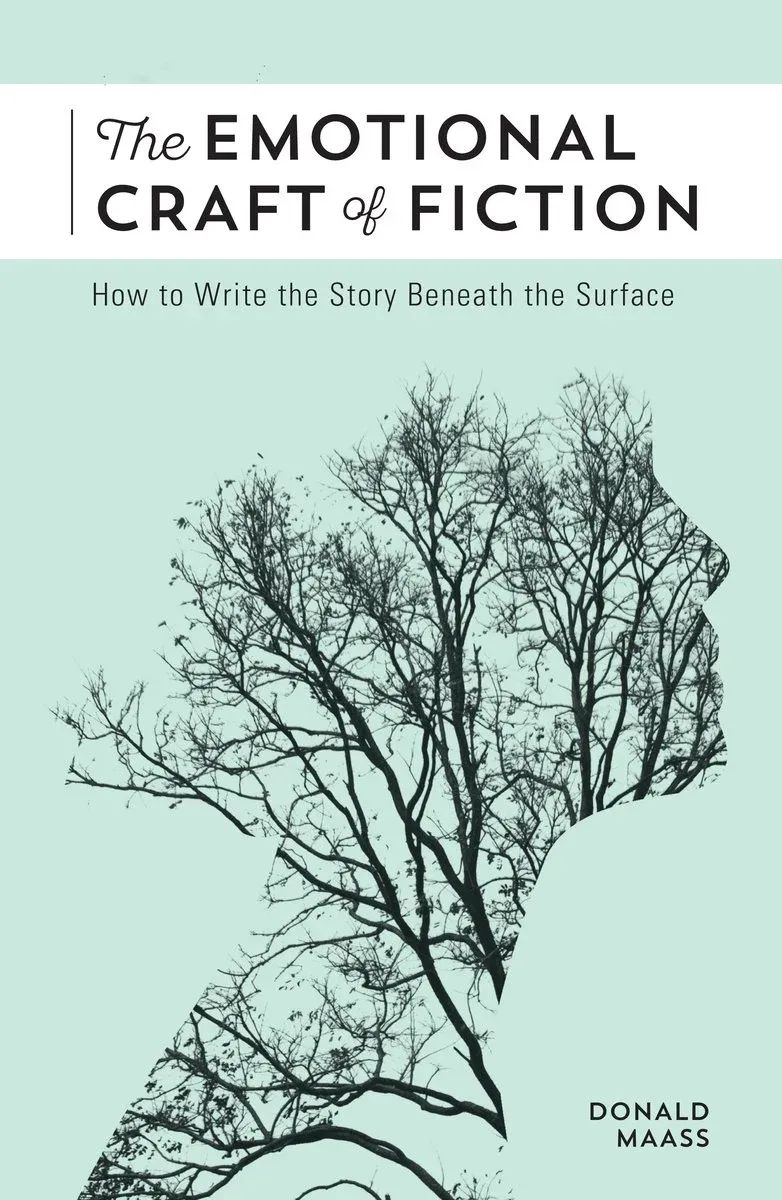
What: An agent teaches you to increase the emotional impact of your writing
Tone: Professional to professional - like a good critique partner or trusted mentor
Read it When: Why isn't this draft working? How do I make people like my protagonist? How do I make my story have deeper impact on the reader?
% on topic - High
Caveat to this review: I have taken several classes with Donald Maass at the Writers Unboxed Unconferences in 2026 and 2024. I purchased my copy of this book well before the conference (though I did get it signed).
You probably don’t need me to tell you that emotion is an important part of reaching your reader. But you still might not be putting enough into your stories to hit the big time. If anyone knows what it takes to hit the big time it’s Donald Maass. The founder of The Donald Maass Literary Agency, Maass has either been the agent or hired the agent for many of the authors you love. He’s helped dozens, possibly hundreds of bestselling authors across his agency. Add in his teaching in workshops and over a decade of writing articles for WriterUnboxed and he’s about as expert in what actually sells books as you’re going to get in book form.
Emotional Craft is his most recent book on writing, and was written because he wasn't seeing a focus on the reader's emotional journey in the manuscripts he was reading:
"I want to feel more as I read. Don't you?...What I want is to feel deeply as I read your work. I want to feel connected to you and your characters in the way I do to the most memorable classics and the most stunning new titles I'll read this year." p5
And even if you are putting emotion on the page, you are likely not giving it enough depth to really grab your reader. Near the opening of the book he writes:
“Stop your story at any point, ask the point-of-view character what she is feeling, and it is never just one answer. Ask two characters what they feel about what’s happening and neither will ever say the same thing.” pg. 18
And that’s a big point of the book, characters are never just feeling one emotion, they might even be feeling something that doesn’t at first feel right for the situation. But those secondary emotions, the odd little specific ones, they are what connect to your reader. They make the big emotions feel more real.
Another big point of the book is writing “unsafe” emotions, emotions that we the writers are scared to put on the page. In the front of my copy of the book, signed when I took a workshop with Maass, he wrote “Make it worse.” Often we shy away from showing real emotion in our works, the things that make us truly angry, the things that make us sad, or frustrated, or incandescent with happiness. Those emotions don’t feel safe to write, but they need to be on the page for them to be real for the reader.
The final third of the book is devoted to the reader's emotional journey. He talks about specific story moves you can make to make your story resonate with readers more fully. Emotional combinations you can pull on specifically to increase the impact of specific story beats, or to make your characters feel more real, or to make your world a place the reader never wants to leave.
"Tears, rage, and terror are big, but notice that when they occur they are preceded by something. They come about when conditions are right. They also carry with them attendant feelings. Sorrow is most acute when happiness is ending. Farewell is all the more poignant when coupled with gratitude. Rage is made worse by helplessness. Fear is the greatest in the anticipation of the blow, not as the hammer hits." p.132
This is one of those writing books where you are really just going to need to buckle down and do the exercises at the end of each chapter. Like Le Guin’s Steering the Craft, the real learning from this book comes from putting the text into action. Each section has a series of writing exercises, most of them with multiple steps and variations. There’s a lot to work through and some you may want to work through multiple times, for several characters or for different scenes. It might feel like a sidequest, but like in a video game, these are all designed to level up specific skills you’ll find yourself using again and again after you’ve learned them.
I would recommend this book for any writer who has a few hundred pages under their belt. It’s not going to teach you to build a plot, or write dialogue. What it will teach you is how to improve the impact of your plot by widening the change in your arcs, and give your dialogue punch as your character’s opinions clash on the page. If that sounds like what you need then this is the book for you.
If you want to view a purchase page for this book, please use bookshop.org and support your local independent bookshop.