Reference Books for Writers
Every writer's desk should have a few reference books nearby, if only for something to peruse when your brain hits a wall.
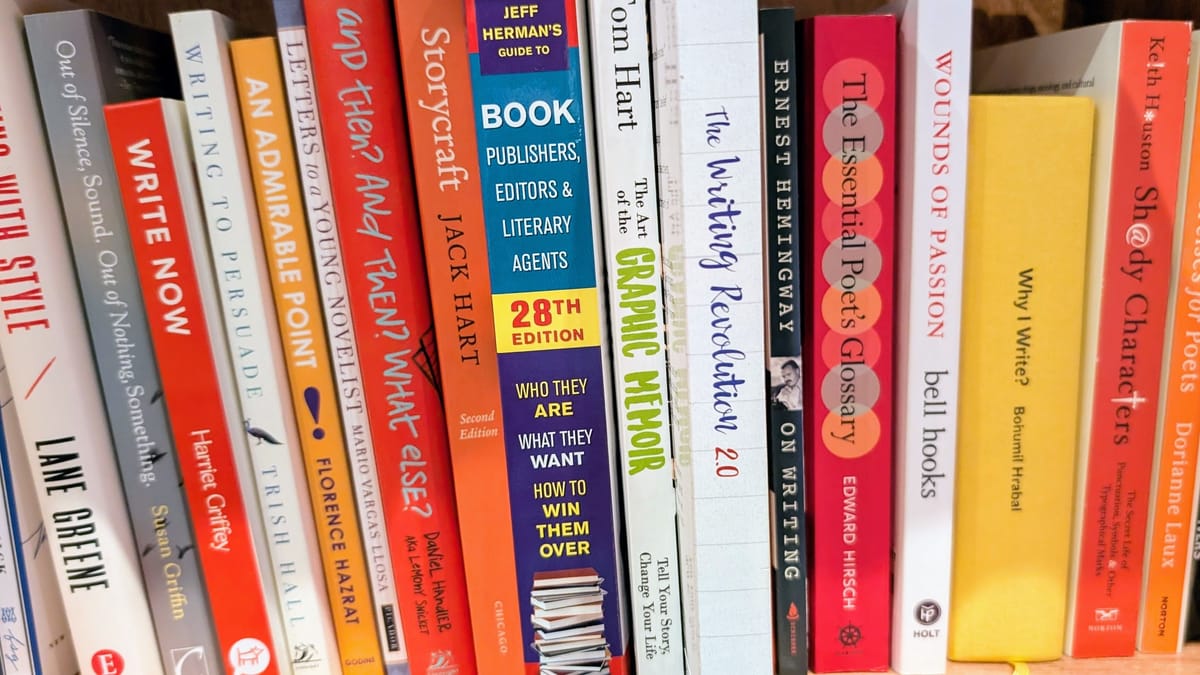
Every writer's desk should have a few reference books nearby, if only for something to peruse when your brain hits a wall. This list is not comprehensive, but it does include books that you will find surprising and useful as you build your world. If you have an amazing reference book to add to this list, drop it in the comments and I'll update the list as they come in.
List criteria: reference books aimed specifically at writers.
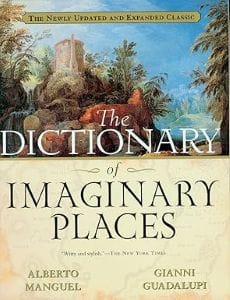
The Dictionary of Imaginary Places
A true tome, this hefty reference guide lists thousands of make-believe lands from Arcadia to Xanadu with stops in Lilliput and Jurassic Park. A delightful read and handy reference, yes, but mostly it is an invaluable resource for inspiration - especially if you are looking to bend fairy tales, send your characters to famous ancient lands, or just looking for a cool name.
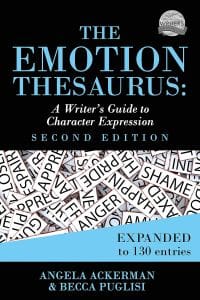
The Emotion Thesaurus
Where do characters feel grief in their bodies? What are the signals someone is lying? If someone is feeling jealousy and anger, how do you show those emotions on the page? The Emotion Thesaurus is a valuable tool for learning to describe and deepen your character’s expression of their emotions.
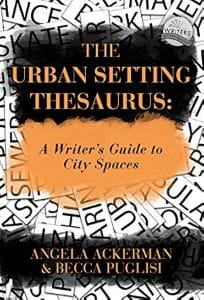
The Urban Setting Thesaurus & The Rural Setting Thesaurus
What are the sights and sounds in a typical deli? How do things smell at a bowling alley? What textures are you likely to feel at a black tie gala? Writers Helping Writers' series of setting thesauruses are a true reference book, the kind of thing you reach for when you are wracking your brain for a word, but they are also a great model for what you need to think of when you are thinking of a setting.
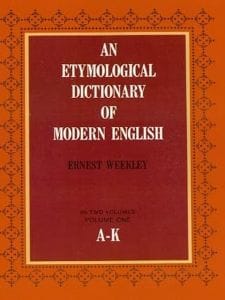
Any Etymology Dictionary
Where do words come from? How do their meanings change over time? How do you combine roots, prefixes, and suffixes to make new words that people understand intuitively? An etymology dictionary is the place to start. While yes, you could certainly reference one online, I cannot recommend enough the experience of opening a physical copy and getting absorbed in the often weird and sometimes baffling origins of the English vocabulary.
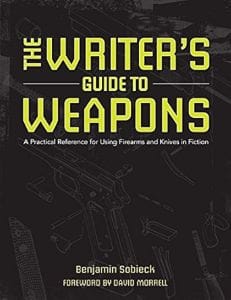
The Writer’s Guide to Weapons
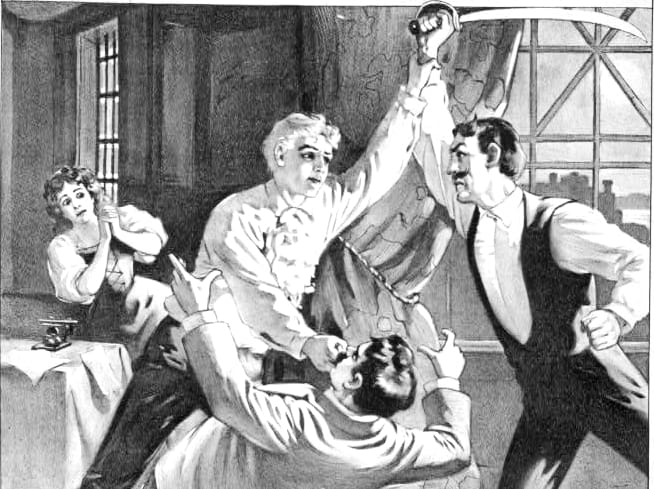
Should your character be shooting a Walther PPK or a Smith & Wesson? What makes a knife a Bowie knife and which direction do you stab someone with it (other than with the pointy end)? The writer’s guide to weapons won’t make you a weapons master, but it will keep you from making glaring mistakes. It’s also funny, lists common tropes and the best weapons for different settings, and has a review of relevant gun laws.